Why ‑lb GVWR Gaps Can Cost Your Site
You’ll learn the real GVWR thresholds that separate a legal Class 8 from a mis‑rated vocational unit. Most guides miss the axle‑rating ripple effect that inflates compliance costs.

Every construction manager learns the hard way that a mis‑rated vocational truck can bleed a project dry before the first concrete is poured. State weight stations, bridge formula limits, and carrier contracts all hinge on the GVWR stamped on the title, and a single pound over the line can trigger fines, reroutes, or even a forced off‑hire. When the budget already balances on razor‑thin margins, that extra charge becomes a chain reaction of lost productivity.
Can a 10,001‑lb GVWR Slip Past State Inspections?
When the GVWR climbs just above 10,001 lb, many state inspection manuals flip the vehicle from a “light‑duty” category into the Class 8 vocational bracket, and the paperwork required jumps from a simple registration renewal to a full‑scale safety audit. That audit forces you to present axle‑group certificates, brake‑system test reports, and a PTO output chart that matches the chassis rating, otherwise the vehicle is marked non‑compliant and pulled from the job site.
State officers routinely record the GVWR on the inspection slip, then compare it to the bridge formula outcome for the axle spread; if the formula weight exceeds the legal limit, the truck must shed load or face a daily penalty that can climb into the high‑hundreds per day. Because the penalty is calculated per calendar day, a two‑day delay on a $150 k haul can erase any savings you hoped to gain by buying a cheaper, under‑rated chassis.
What Axle Ratings Actually Drive GVWR Classifications?
Axle ratings are the hidden engine behind every GVWR declaration, and they are published in groups ranging from 10,000 lb to 20,000 lb per axle depending on hub design, tire size, and brake capacity. Choosing a 12,000‑lb axle group for a straight‑six diesel may look like a modest upgrade, but the cumulative effect across a tandem set pushes the chassis rating toward the 40,000‑lb ceiling that triggers federal Bridge Formula scrutiny.
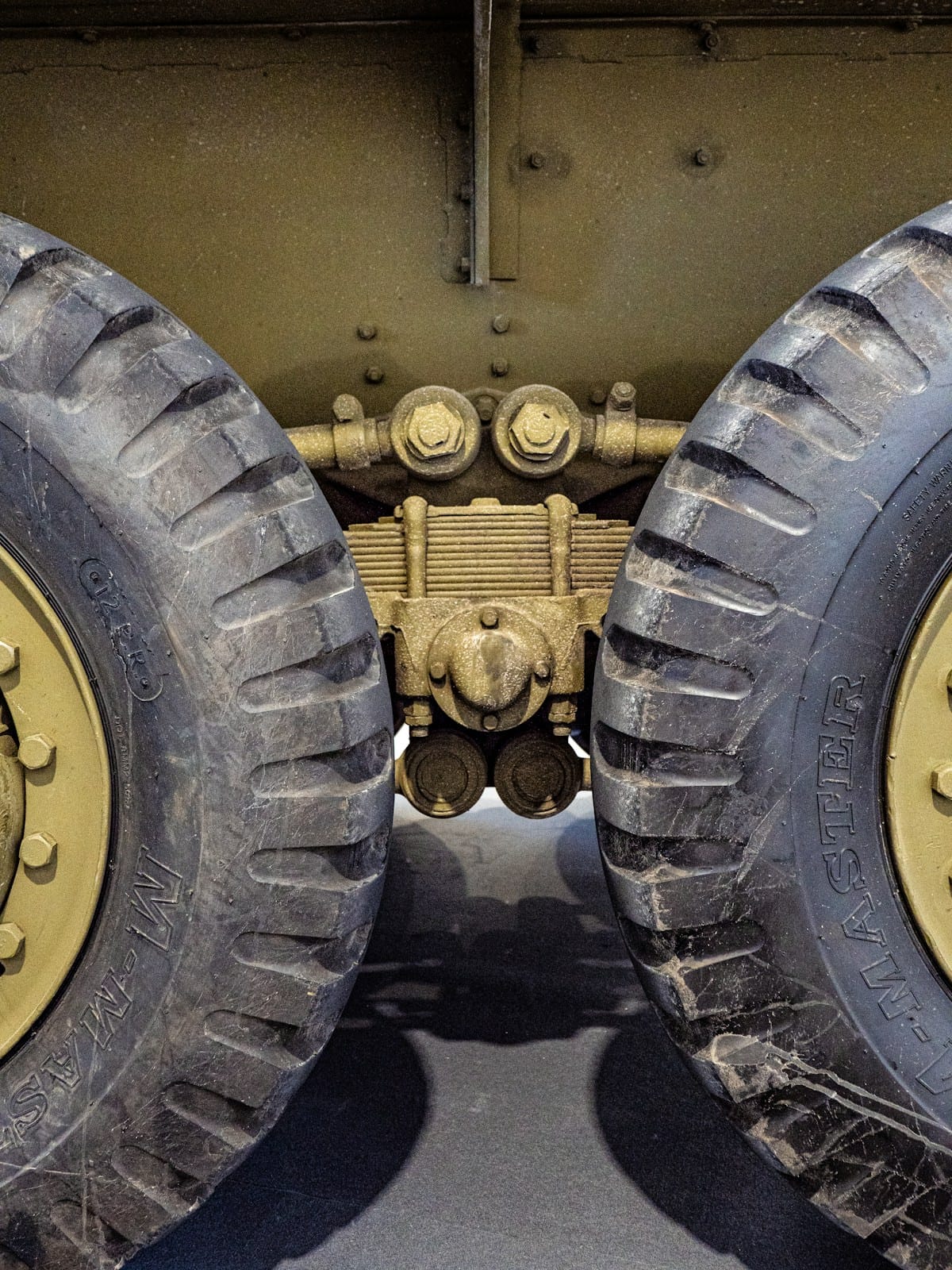
Manufacturers often ship a base axle package that meets a 30,000‑lb GVWR, then offer optional “heavy‑duty” kits that add reinforced spindles and larger brake chambers for an extra $5,000‑$8,000. Those kits are not simply cosmetic; they shift the legal GVWR by up to 4,000 lb, meaning a truck that originally sat at 29,800‑lb can legally carry a full 33,800‑lb payload after the upgrade.
How PTO Ratings Interact With Legal Weight Limits?
PTO ratings sit on a separate schedule, yet they feed directly into the overall weight calculation because the Federal Motor Carrier Safety Administration treats a PTO‑driven hydraulic system as part of the vehicle’s gross weight. If the PTO is rated for 600 hp and the manufacturer lists a 650‑hp engine, the discrepancy forces the compliance officer to add a penalty weight of roughly 200 lb per missing horsepower, inflating the GVWR without a physical change to the chassis.
Because the penalty weight is not optional, some fleets elect to replace the PTO with a lower‑output unit that matches the engine, thereby shaving the illegal excess and saving on bridge‑formula fees. That swap typically runs $3,000‑$6,000 in parts and labor, but the avoided daily fines can exceed $1,000 per day on high‑profile interstate routes.
Which Hidden Costs Emerge When You Exceed the 34,000‑lb Threshold?
Crossing the 34,000‑lb threshold triggers a second tier of compliance that most budgeting spreadsheets ignore, because the Federal Bridge Formula shifts from a simple axle‑spacing test to a full‑scale weight‑to‑length ratio that can halve the allowable payload. Engineers who ignore that shift often discover that a truck rated at 35,200 lb can only legally carry 2,500 lb on a 40‑foot span, which translates into an extra $8,000‑$12,000 in empty‑truck mileage to move the same amount of material.

Insurance carriers treat any GVWR above 34,000 lb as a commercial‑auto exposure, and the premium bump can be as high as 20 % of the base policy, adding $1,500‑$2,500 annually for a typical $7,500 policy. Because downtime caused by a weight violation often forces a rental replacement, the hidden cost of a 48‑hour rental at $250 per day can easily eclipse the insurance increase.
Practical Steps to Keep Your Vocational Truck Within Class 8 Bounds
Start by obtaining a certified scale reading for the as‑built vehicle, then record the axle‑group numbers, brake‑system pressure, and PTO output on a single spreadsheet before any modifications are made. This baseline prevents you from later discovering that a simple bolt‑on lug kit added 150 lb of unsprung weight, pushing the GVWR into the next regulatory bracket.
Budget for the most common upgrades—reinforced tandem axles ($5,000‑$8,000), upgraded brakes ($3,000‑$5,000), and PTO‑engine matching kits ($3,000‑$6,000)—and add a 15 % contingency for engineering labor, which typically runs $120‑$180 per hour for a certified weight‑specialist. Even with those figures, the total investment stays well below the $30,000‑$45,000 range that a full‑replacement Class 8 chassis would demand, and the uptime gain from avoiding weight‑related stops often pays for itself within three to six months of operation.
Final Checklist Before You Sign the Purchase Order
Before you sign any purchase order, verify that the VIN‑encoded GVWR matches the dealer’s specification sheet and that the axle‑group letters correspond to the actual hardware on the chassis. If a discrepancy appears, request a re‑tag or a dealer‑issued amendment before the truck leaves the lot, because retroactive re‑tagging can cost $1,200‑$2,000 in paperwork and inspection fees.
Double‑check the PTO rating stamp on the engine block, confirm that the brake chambers are stamped for the advertised pressure, and run a final weight verification after all accessories are installed to lock in the true GVWR. Only after those three items align should you release the final payment, because the moment you sign the check you lose leverage to demand a corrective re‑tag.
Keep reading
Why Skipping Hydraulic Power Units Costs in Downtime
You’ll learn how to match a hydraulic power unit to a vocational truck without blowing your budget. Most guides gloss over PTO sizing and chassis limits, leading to costly retrofits.