Why Skipping Hydraulic Power Units Costs in Downtime
You’ll learn how to match a hydraulic power unit to a vocational truck without blowing your budget. Most guides gloss over PTO sizing and chassis limits, leading to costly retrofits.

A $12 000 HPU hidden behind a cheap PTO spec can idle a crew for weeks, push insurance premiums skyward, and trigger OSHA citations for insufficient power on site. The math is simple: every day the unit is offline you lose labor hours, fuel that would have been moved, and the chance to bill the owner‑client for extra work. The tension between a tight project schedule and the lure of a “starter kit” HPU is the same every spring in our shop.
Can the truck’s PTO actually drive the HPU?
Most vocational trucks ship with a 540 RPM PTO rated between 150 hp and 300 hp, but the torque curve often peaks far below the 1 200 lb‑ft many hydraulic pumps demand at stall. Pull the spec sheet for the HPU you’re eyeing and compare the pump’s required torque at 1 500 rpm; a mismatch forces you to up‑size the PTO or install a reducer, both of which add weight and cost. A common mistake is to assume that “the same model year” means interchangeable PTOs—manufacturers frequently change gear ratios without updating the data sheet.
If the PTO is undersized, the pump will stall during peak demand, flooding the reservoir and forcing an emergency shutdown. The resulting heat can warp the PTO housing, leading to a costly replacement that runs $4 000‑$7 000 plus labor. The safe route is to select a PTO that exceeds the pump’s peak torque by at least 20 % and to verify the torque rating on the truck’s chassis plate before ordering anything.
What axle and frame limits dictate HPU weight?
A 26,000 lb GVWR chassis with a dual‑axle rating of 13,000 lb per axle can only tolerate an additional 2,000‑3,000 lb of mounted equipment before suspension sag compromises ride height. Hydraulic power units often weigh between 1,200 lb and 2,200 lb, plus the weight of a steel skid or mounting brackets. Ignoring this balance can overload the rear axle, causing premature bearing wear and uneven tire wear that forces a service call every 4 000 miles.
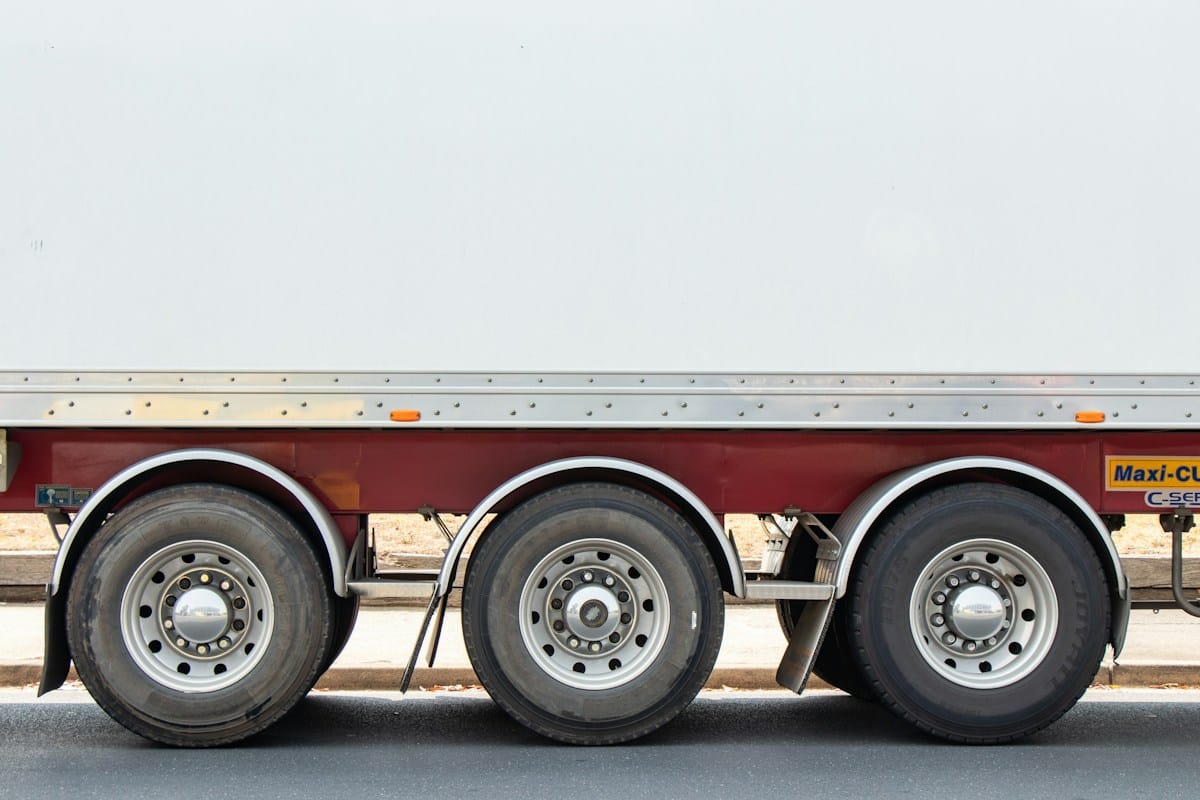
The frame’s cross‑member design also matters. Some manufacturers provide pre‑drilled holes for a 6‑inch bolt pattern; others require welding a custom plate. Welding adds $800‑$1 200 in shop time and introduces a structural weak point if not done to ASTM A36 standards. Before you approve the HPU, map its footprint onto the chassis diagram and confirm that the combined load stays within the axle’s specified maximum.
How do you protect the electrical system from hydraulic spikes?
Hydraulic pumps generate voltage spikes when the motor starts, especially on diesel engines that deliver high surge currents. Those spikes travel through the same ground path as the truck’s lighting and control modules, potentially frying a CAN‑bus node. The cure is a dedicated surge suppressor rated for at least 5 kA and a separate 30 A fuse downstream of the main alternator.
Running a separate 12 V distribution harness from the alternator to the HPU avoids overloading the vehicle’s existing harness, which is typically sized for a 20 A draw. The harness should use 8‑gauge wire for the power leg and 12‑gauge for the control signals, insulated to UL‑1007 standards. Neglecting these details can turn a $2 500 HPU into a $9 000 electrical overhaul after a single overload event.
Which mounting configurations survive a 10‑ton job site?
Rigid mounts bolt directly to the chassis, delivering the most efficient power transfer but transmitting every bump and pothole straight into the pump’s bearings. For sites with constant vibration—think road‑building or quarry work—an isolated mount with a rubber‑filled sleeve or a hydraulic damper reduces peak accelerations by up to 40 %. Those kits run $600‑$1 100 depending on the stroke length and load rating.
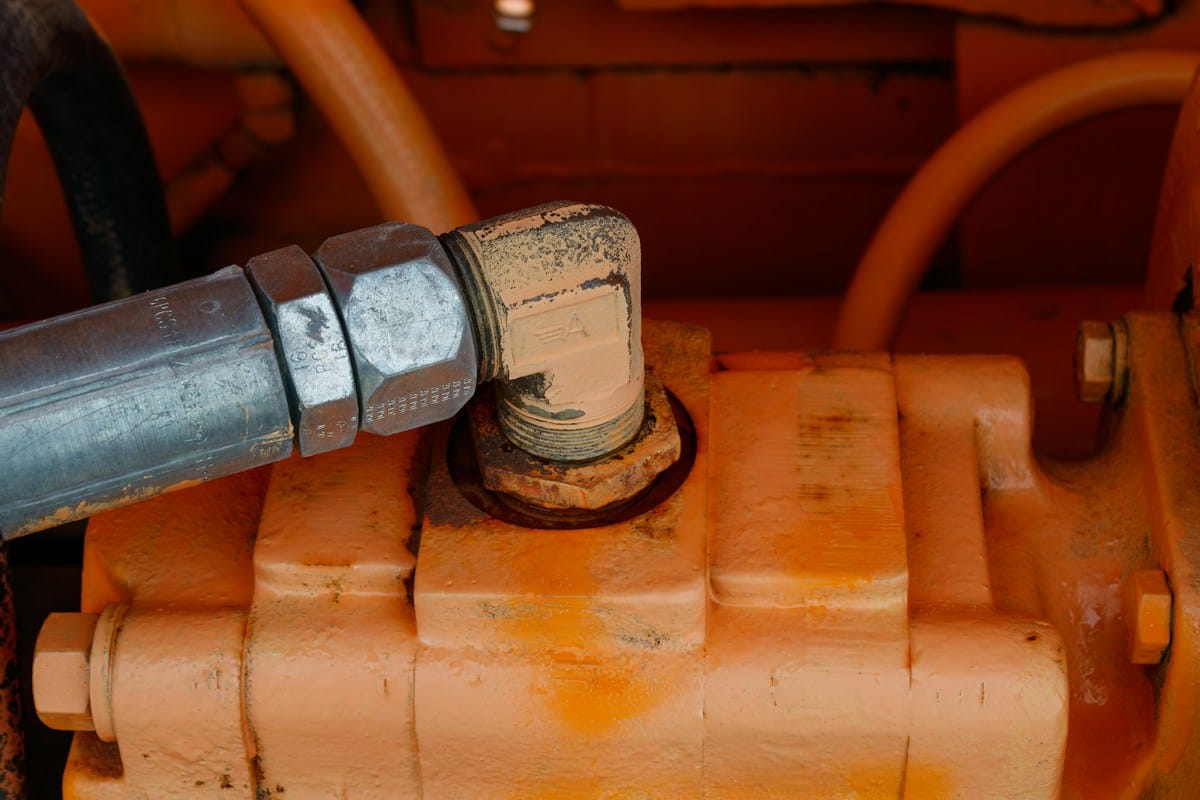
Swing‑out mounts add the benefit of quick removal for maintenance; however, they introduce a pivot point that must be reinforced with a gusset plate. The extra steel can add 150 lb to the unit’s overall weight, pushing the axle load closer to its limit. Choose a swing‑out only if your service schedule demands under‑hourly pump swaps; otherwise, a stiff, bolt‑down mount saves you both weight and future alignment headaches.
Practical steps and realistic cost buckets for a full integration
- Audit the truck’s existing PTO and axle ratings. Pull the VIN‑encoded data sheet, note the PTO torque curve, and write down the front‑and‑rear axle capacities. Budget $0‑$200 for a printed copy from the dealer if the online portal is locked.
- Select an HPU whose pump curve sits 20 % above the PTO’s peak torque. Expect unit prices between $8 000 and $14 000, depending on flow rate and reservoir size.
- Design the mounting solution. A rigid steel plate with gusset reinforcement typically costs $300‑$500 in material; a vibration‑isolated kit adds $600‑$1 100. Include $200‑$400 for welding labor if the frame lacks pre‑drilled holes.
- Upgrade the electrical distribution. A 5 kA surge suppressor plus a dedicated 30 A fuse runs $150‑$250. A new 8‑gauge harness with proper insulation is another $120‑$250.
- Perform a load‑distribution check. Use a portable axle scale to verify that the combined weight stays at least 500 lb below each axle’s rating. If you need to shift weight, a rear‑axle leaf‑spring upgrade can run $1 200‑$2 000.
- Run a functional test before the first job. Simulate a full‑load hydraulic cycle for 15 minutes while monitoring PTO temperature, HPU pressure, and voltage spikes. Expect to spend $300‑$500 on a portable data logger if you don’t already own one.
Following these steps usually lands the total integration bill between $12 000 and $22 000, a range that includes labor, hardware, and a safety margin for unforeseen welds. Compare that to the $15 000‑$30 000 you’d burn through in unexpected downtime, warranty claims, and emergency repairs.
What to double‑check before you sign any purchase order?
Verify that the HPU’s warranty covers both the pump and the motor for at least 2 000 hours of operation, and that the dealer will honor the warranty on a chassis that has been welded for a custom mount. Confirm that the PTO torque rating printed on the truck matches the spec sheet you used in step 1; a mismatched label can invalidate the warranty. Finally, request a signed “as‑built” drawing that shows exactly where the mounting brackets will sit on the frame, so the installer cannot later claim a “design change” that inflates labor costs.
---
Keep reading

Why ‑lb GVWR Gaps Can Cost Your Site
You’ll learn the real GVWR thresholds that separate a legal Class 8 from a mis‑rated vocational unit. Most guides miss the axle‑rating ripple effect that inflates compliance costs.